
Table of Contents
Introduction – Why Mean Reversion Still Works in 2026
If you’ve been trading for a few years, you’ve probably watched indicators change, trading platforms get upgrades, and strategies come and go. But one concept that continues to attract serious traders is mean reversion.
And here’s the good part: in 2026, mean reversion hasn’t just survived—it has become smarter, faster, and more precise thanks to better data, improved tools, and more transparency across brokers.
In this article I’m going to show you how the mean reversion trading strategy works in 2026, why it continues to perform when used correctly, and how you can apply it without overcomplicating your charts. I’ll also share real personal insights from years of testing these setups across forex, indices, and gold.
Let’s get into it.
1. What Mean Reversion Really Means Today
Before we explore how the mean reversion trading strategy works, let’s simplify the core idea.
Mean reversion assumes the market eventually returns to its “average” or fair value after moving too far in one direction.
Think about it like a stretched rubber band.
The harder it stretches, the more likely it snaps back.
In 2026, the question traders ask is:
“Has price moved too far, too fast?”
If the answer is yes, a reversion setup may be forming.
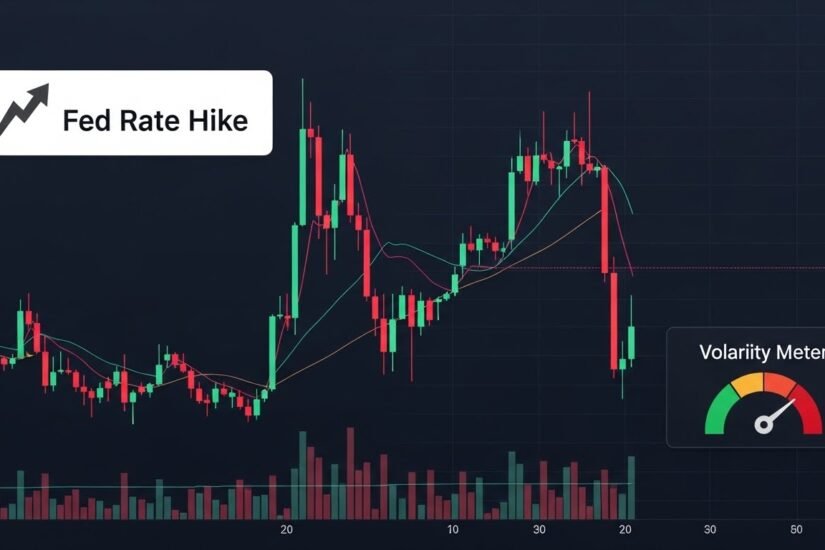
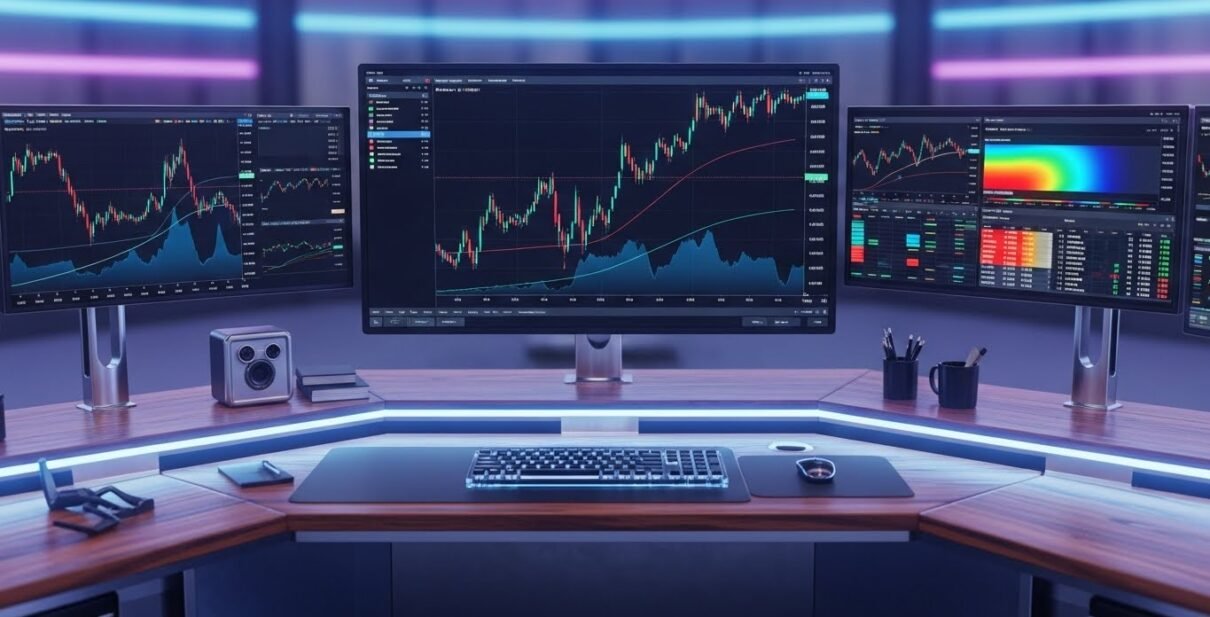
Modern tools such as advanced volatility meters, improved Bollinger Bands, automated liquidity heatmaps, and AI-enhanced order-flow indicators help traders see extreme deviations from the mean more clearly than ever.
2. The Core Components That Make the Strategy Work in 2026
Markets have evolved, but the key ingredients of mean reversion still apply. The difference in 2026 is how accurately we can measure them:
(a) The Mean
This is usually defined by tools such as:
- 20-period Moving Average
- VWAP (popular in 2026 due to broker transparency updates)
- Midline of Bollinger Bands
- Fair Value Gaps (FVG mid-levels)
(b) The Deviation
This tells you how far price has moved from the mean.
Typically measured with:
- ATR (Average True Range)
- Standard deviation
- Bollinger Band extremes
- Volatility Z-score indicators
(c) The Trigger
This is your actual signal to enter:
- Rejection candle
- Fake-out wick
- Price touching an extreme band
- Price stabbing into a liquidity pool
- Order-block tap then reverse
These cleaner tools are a big reason how the mean reversion trading strategy works in 2026 more efficiently compared to old-school setups.
3. Why Mean Reversion Still Performs in 2026
Over the years, people kept predicting that mean reversion would die out because algorithms dominate the markets.
But every year I see the same truth:
Human behavior still influences price.
Fear, greed, and impatience still cause exaggerated moves.
Extreme moves still reverse.
Here are the real reasons mean reversion strategies remain useful:
1. Overreactions Haven’t Disappeared
Traders still panic-buy and panic-sell.
2. Liquidity Hunts Create Predictable Reversals
Smart money still pushes price beyond key zones to trap traders.
3. Volume Data Has Improved
More transparency means retail traders can detect exhaustion faster.
4. Volatility Patterns Repeat
Even in new market conditions, volatility still expands and contracts in cycles.
This is why many professional traders include at least one reversion setup in their toolbox.
4. Step-by-Step: How Mean Reversion Trades Are Executed
Let me walk you through how I execute this strategy today. This method will make you understand clearly how the mean reversion trading strategy works in 2026 from an actual trader’s point of view—not a textbook explanation.
Step 1 – Identify the Mean
I typically use:
- 20 EMA for fast markets like XAUUSD
- VWAP for indices
- 50 SMA for forex pairs
Step 2 – Wait for Price to Stretch Away From the Mean
You want:
- 2x to 3x ATR expansion
- A move outside Bollinger Bands
- Price far above/below VWAP
- Candle bodies stretched unusually long
Step 3 – Look for Liquidity Sweeps
This is a major improvement in 2026 trading.
Tools highlight:
- retail stop clusters
- liquidity heatmaps
- order-book imbalances
If price grabs liquidity and stalls, that’s your early warning.
Step 4 – Look for Exhaustion
Signs include:
- long rejection wicks
- slowing momentum
- shrinking candles
- divergence
- RSI returning from extreme zones
Step 5 – Execute With Risk Control
Enter at the beginning of the snap-back move.
Stops usually go:
Beyond the liquidity wick
Outside the band extreme
Beyond previous high/low
I’ve tested this through thousands of trades.
It works best when you wait patiently, not when you chase.
5. Personal Examples From Real Trading Experience
Let me give two simple examples from my actual trading sessions.
Example 1 – EURUSD Extended Run
During New York session, EURUSD ran 60 pips above its 20 EMA after a high-impact news release.
ATR normally sits around 30 pips.
Price poked above the 2.5 standard deviation band.
A massive wick appeared on the 15-minute chart.
My thought was clear:
“Too far. Too fast. Time to snap back.”
I entered short, and price returned right to the EMA.
Example 2 – Gold FOMO Rally
Gold often traps impatient traders.
One Friday, XAUUSD ran $25 in a straight line with no pullback.
Volume dropped.
Momentum slowed.
Wicks appeared.
Price reversed $18 in minutes.
This is how the mean reversion trading strategy works in 2026—it takes advantage of trader emotions, volatility spikes, and exhaustion signals.
6. Common Mistakes Traders Still Make (Even in 2026)
Even with all the improved tools, traders still struggle due to simple errors.
1. Entering Too Early
Most traders get excited as price stretches.
But the move can stretch even more.
Wait for confirmation.
2. Ignoring News Events
Mean reversion does NOT work well during:
- NFP
- CPI
- Interest rate decisions
- Unexpected geopolitical events
During these, the “mean” loses meaning.
3. Using Oversized Lots
A reversion setup needs breathing room.
If you risk too much, even a tiny extension can crush your account.
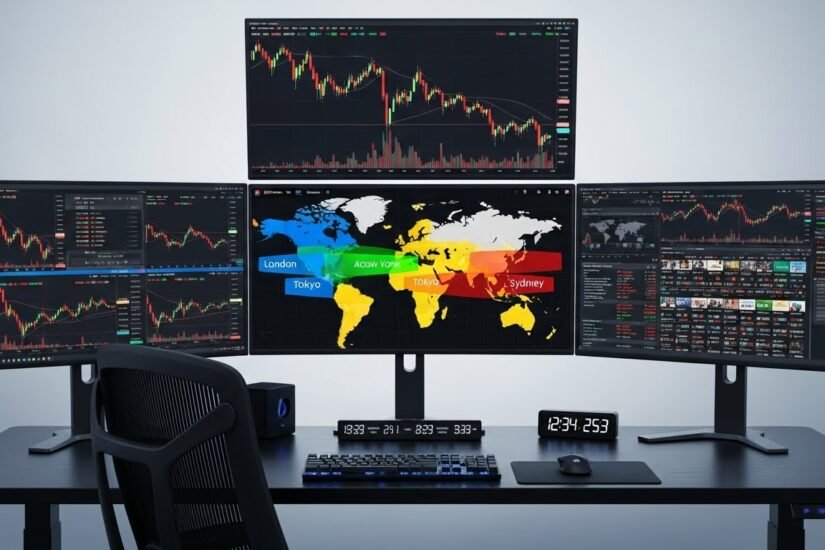
4. Forgetting Market Sessions
Asian session reversion trades are weaker.
London and New York are stronger.
5. Trading Against Strong Trend Without Evidence
Don’t fight the trend unless price shows exhaustion.
7. Practical Ways to Improve Mean Reversion Success in 2026
Here’s how experienced traders boost performance today:
1. Combine Multiple “Stretch” Signals
Bollinger Band extreme + ATR spike
This increases accuracy.
2. Use Liquidity Tools
Stops cluster above highs?
Expect a manipulation then a reversal.
3. Use Multi-Timeframe Confluence
If the 15-minute is stretched, check whether the 1-hour supports your logic.
4. Let Price Come to You
Set alerts.
You don’t have to stare at charts all day.
5. Backtest With Modern Data
2026 volatility is different from 2018 volatility.
Use updated data sets to avoid outdated assumptions.
Conclusion
Now you understand how the mean reversion trading strategy works in 2026 and why it continues to perform for traders who use good risk control and wait for real exhaustion signals.
If you’re serious about improving your forex skills with simple, practical strategies like this, visit:
👉 stoplosstakeprofit.com
Your go-to place for realistic forex education, tools, and trading insights.
6 FAQs (SEO Optimized)
1. Is mean reversion still profitable in 2026?
Yes. When combined with volatility tools and liquidity analysis, it remains reliable in trending and range-bound markets.
2. Which indicators help mean reversion the most?
Bollinger Bands, VWAP, ATR, and liquidity heatmaps are extremely effective in 2026.
3. Does mean reversion work during news events?
No. Avoid high-impact news because price can ignore the mean for long periods.
4. Can beginners use mean reversion?
Absolutely, but beginners should practice on demo first and avoid trading against strong trends.
5. What timeframes work best?
The 5m, 15m, and 1h charts give the cleanest setups in 2026.
6. Is mean reversion better than trend trading?
Neither is superior. The best traders combine both depending on market conditions.